Adopt in South Africa in 1–2 Years: Legal Steps and Lawyer Help
A step by step legal roadmap to adoption in South Africa that lists essential documents, the expected 1–2 year timeline, costs, accredited agencies, and...
Published
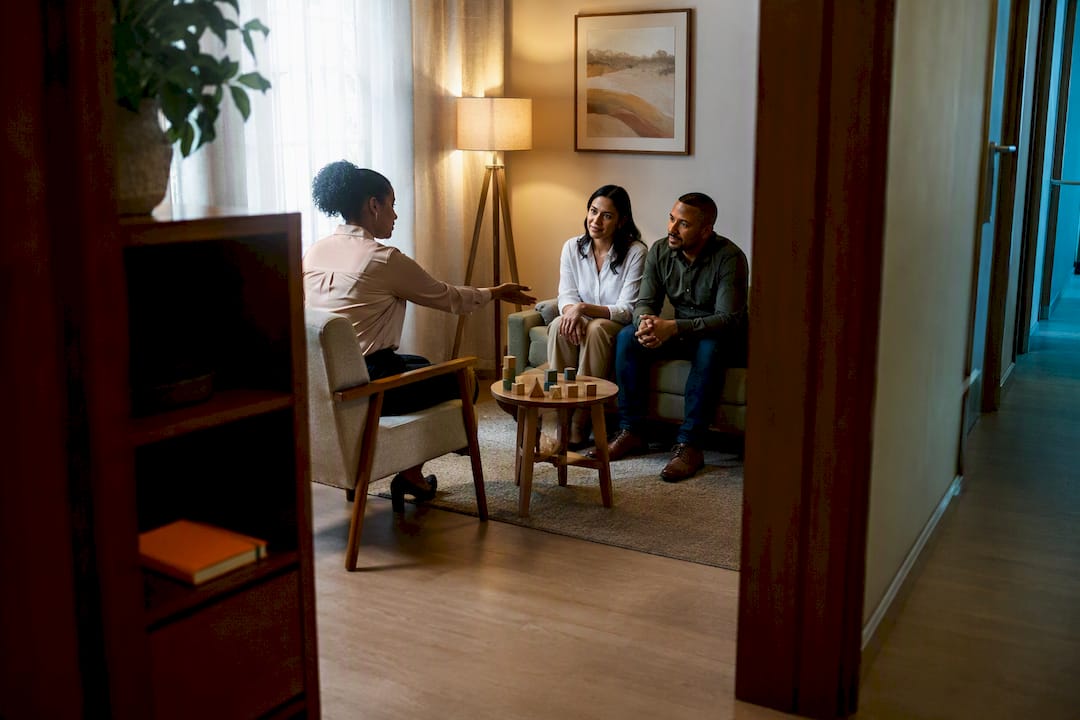
Start by contacting an accredited adoption social worker or a DSD-designated child protection organisation. Don't try to lodge an application at a court or Home Affairs; that's not how the system works. From there, the national adoption process runs through screening, registration on a national database, matching, and a Children's Court order. Expect consent rules, including a mandatory 60-day withdrawal window, and a timeline that typically runs from several months to two years.
TL;DR:
- The adoption process in South Africa requires application through an accredited social worker or child protection organization, not directly via court or Home Affairs.
- The entire procedure involves screening, home studies, registration on RACAP, matching, and court finalization, with a mandatory 60-day withdrawal period after consent.
- Family-consented adoptions can finish within six months, while unrelated adoptions typically take one to two years, mostly due to matching and consent procedures.
- Confirm an organization’s accreditation by asking about staff qualifications, procedures, timelines, fee structure, and references, and avoid shortcuts like bypassing courts or paying cash.
- Legal advice is mainly needed for contested consent, intercountry elements, or complex documentation, and early document review can prevent delays before court hearings.
Table of Contents
- What are the legal steps in the South Africa adoption process?
- What documents do you need to apply for adoption?
- How long does adoption take and what does it cost?
- How do you verify an accredited adoption agency?
- When do you need a lawyer, and how do Justibly's tools help?
- Why the process feels slow, and why that's the point
- Get your court paperwork reviewed before the hearing
- Sources
- FAQ
What are the legal steps in the South Africa adoption process?
The adoption process in South Africa follows a fixed statutory sequence. You can't skip stages or shortcut the court's role, and every accredited organisation, whether it's a state DSD office or a private agency like Impilo, works through the same framework set out in the Children's Act.
Apply through an accredited social worker. You'll go through an orientation session, then submit a formal application to a designated child protection organisation or accredited private practice.
Screening and the home study. This is the "fit and proper" assessment: interviews, home visits, medical checks, financial and psychosocial evaluations, plus police clearances and a National Child Protection Register check. References are verified too. Organisations like Impilo often run preparation groups alongside this stage.
Registration on RACAP. Once cleared, you're entered on the Register on Adoptable Children and Prospective Adoptive Parents. Matching from this register is driven entirely by the child's best interests, not by parent preference order.
Matching and introduction. When a potential match is identified, introductions happen under supervision, followed by a placement period where the social worker conducts follow-up visits to assess how the child is settling.
Children's Court finalisation. The social worker submits a court report, consent documents are filed, and a hearing is scheduled. Once the Children's Court issues the adoption order, the organisation registers it with the DSD and Home Affairs re-registers the child's birth certificate under the new legal parents.
What documents do you need to apply for adoption?
Gather these before your first meeting with a social worker. It saves weeks of back-and-forth later.
- Certified copies of your ID document, and marriage, divorce, or death certificates where relevant to your household status.
- Medical reports and a general health clearance.
- A police clearance certificate, plus consent to a National Child Protection Register enquiry.
- Signed consent documentation from birth parents, or proof of notice/advertising where a parent could not be traced.
- Personal and professional references, financial statements, and any specialist reports your social worker specifically requests.
Pro Tip: Request the full document checklist from your chosen organisation in writing before your first appointment. Requirements differ slightly between provinces and between state DSD offices and private agencies, so an early written list prevents last-minute scrambling.
How long does adoption take and what does it cost?
Timing depends heavily on the type of case. Family-consented adoptions, where you're adopting a stepchild or a relative's child, can sometimes finalize in around six months. Most domestic adoptions from unrelated matches take one to two years, with matching and consent formalities the biggest variables.
One fixed constraint applies regardless of how fast everything else moves: the 60-day withdrawal window after a birth parent signs consent cannot be shortened or waived. Courts build their scheduling around it.
State DSD social work services are free, though waiting lists can run longer. Private accredited organisations charge professional fees, usually calculated by hours or case complexity rather than a flat rate, covering the home study, court report preparation, and post-placement supervision. Flexibility on the child's age or background and quick paperwork turnaround both tend to shorten your wait.
How do you verify an accredited adoption agency?
Not every organisation offering to "help you adopt" is legitimate, and getting this wrong can derail your case or worse. Confirm DSD accreditation directly and ask for a provincial contact who can vouch for the organisation's designation status.
- Ask whether the organisation employs accredited adoption social workers who follow RACAP procedure and standard Children's Act forms.
- Ask about typical timelines, exactly what the fee structure covers, and what post-placement support looks like.
- Request references from other adoptive parents who've been through the full process with them.
Pro Tip: Walk away immediately from anyone suggesting you bypass the Children's Court or Home Affairs, offering a child for a cash payment, or pushing you to sign consent before the 60-day window applies. These are hard red flags, not negotiable shortcuts.
South Africa has a solid network of accredited providers. Impilo runs structured screening and preparation programs nationally. Child Welfare Durban and District offers dedicated adoption services including post-placement support. Abba Specialist Adoption & Social Services, Wandisa Adoption Agency, and the wider Child Welfare South Africa network of branches round out the accredited landscape across provinces.
When do you need a lawyer, and how do Justibly's tools help?
Most of the process runs through social workers, not attorneys. But legal advice earns its keep in specific situations: contested consent, intercountry elements, disputed guardianship or freeing orders, or complicated documentation gaps.
- Search the adoption attorneys directory to find LPC-registered family law specialists by province.
- Use the free Q&A forum to ask a registered attorney a quick clarifying question before committing to a paid consultation.
- Prepare your documents first. A social worker who arrives with organized paperwork gets sharper, faster answers from any attorney.
Why the process feels slow, and why that's the point
The screening and matching stages feel intrusive and slow because they're designed to be. Every check exists to protect a child who cannot yet advocate for themselves, and rushing any of it works against you, not for you. Prepare your documents early, verify accreditation before you commit time to any organisation, and get legal review before your court date if anything about consent or guardianship feels unclear.
— Nkosi
Get your court paperwork reviewed before the hearing
An online legal directory can help when your social-worker report and consent documents need a second set of trained eyes before your Children's Court date. You can access a directory of attorneys sorted by province and specialty, without pay-to-rank listings distorting the results.
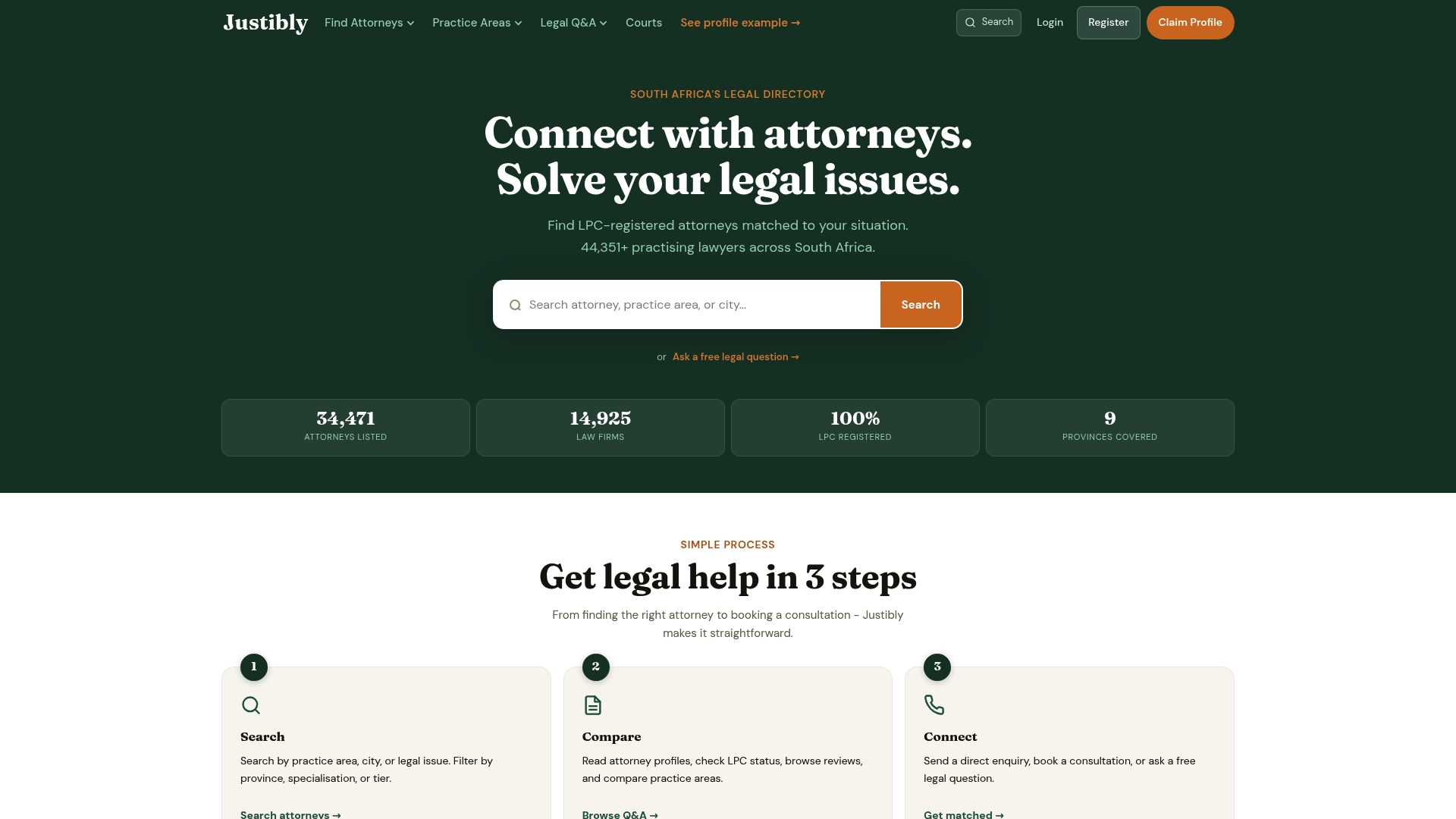
Start with the legal guides to see the document checklist laid out clearly, then post a quick question on the free Q&A forum if something about consent timing or a specific form is unclear. Once you know what you're dealing with, search the family law attorneys directory for someone in your province who can review your paperwork before the hearing. Gather your documents first, then book the review. That order saves you money and time.
Sources
- Apply for national adoption | South African Government
- Children's Act 38 of 2005 (extracts)
- Adoption in South Africa: How to Adopt a Child 2026 | IDChecker
- Is Adoption for you? | Impilo
This article is general information, not a substitute for advice from a qualified lawyer. Consult a qualified legal professional about your own circumstances before acting on anything here.
FAQ
How Long Does the Adoption Process Take in South Africa?
Most domestic adoptions take one to two years from application to final Children's Court order. Family-consented cases, like adopting a stepchild, often finalize faster, sometimes around six months.
What Are the Main Stages of the Adoption Process?
The core stages are application through an accredited social worker, screening and home study, registration on RACAP, matching and placement, and Children's Court finalisation. Each stage has its own required documents and waiting period.
How Much Does It Cost to Adopt a Baby in South Africa?
State DSD adoption services are free but often involve longer waits. Private accredited social workers charge professional fees based on hours or case complexity rather than a flat rate.
What Is the Quickest Way to Adopt a Child in South Africa?
Family-consented adoptions, such as a stepparent adopting a spouse's child, move fastest since matching isn't required. For unrelated adoptions, being flexible on the child's age or background and responding quickly to paperwork requests tends to shorten the wait. No route skips the 60-day consent withdrawal window.
Can You Adopt Directly Through a Court or Home Affairs?
No. You must apply through an accredited adoption social worker or a designated child protection organisation. The Children's Court only becomes involved once your case reaches the finalisation stage.
Recommended
By the Justibly editorial team
Published
General legal information for South Africa, checked against the Legal Practice Act, the relevant court rules and the Legal Practice Council roll. It is not legal advice and does not create an attorney-client relationship. For advice on your situation, consult an admitted attorney.
How we research and review · How the Trust Score works · Report an error